
Groundwork - A one-day conference about the software nobody sees
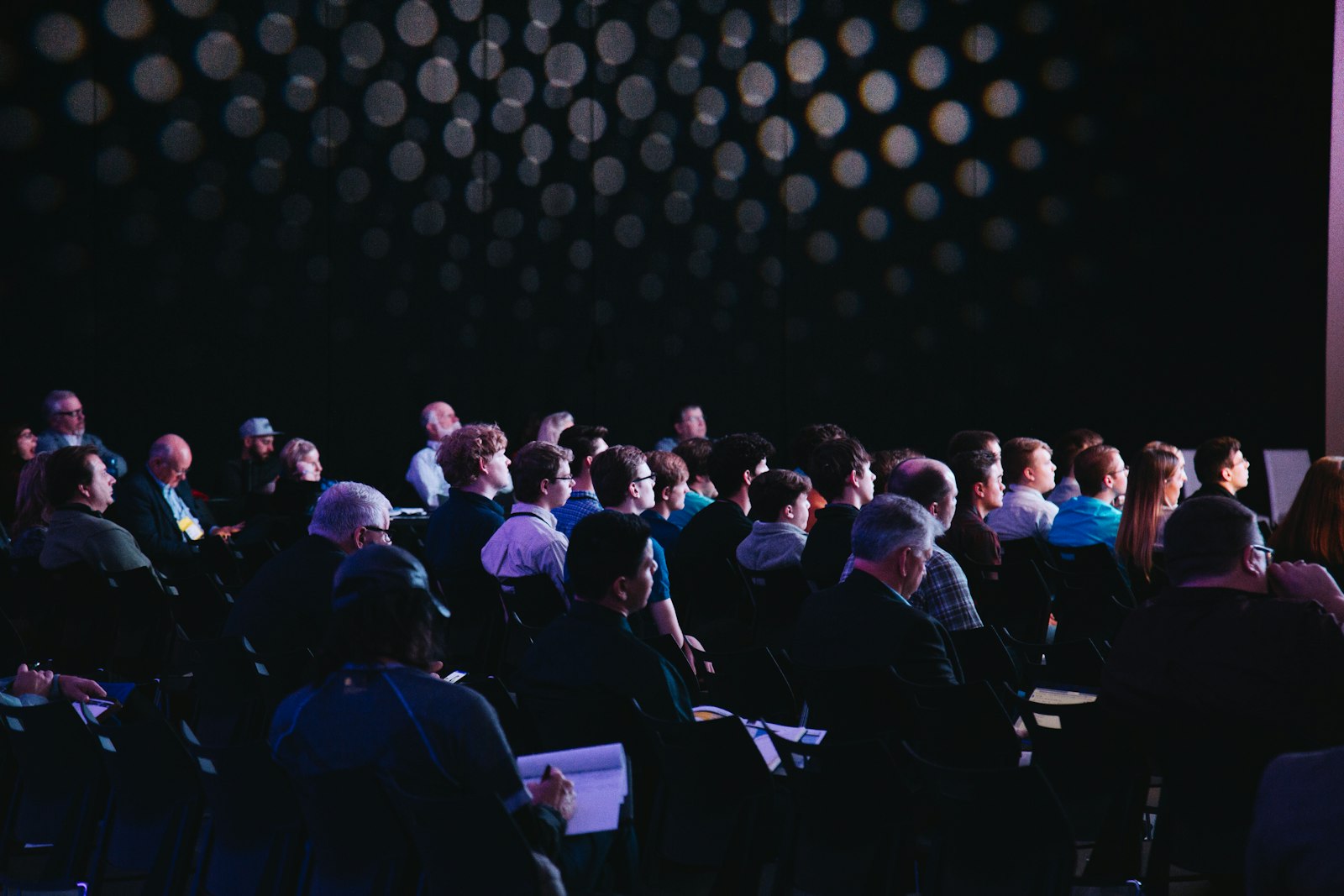
Groundwork is a conference for the people who keep everything else running: the platform engineers, the on-call rotations, the ones who get paged at 4am about a system they did not write. There are no product launches here and no vendor keynotes. Every talk is a real story about a real system, told by the person who was actually holding the pager. Half of them are about things that went badly, because those are the ones worth an hour of your day. One day, one track, two hundred people. Nobody has to choose between two talks they wanted to see.
- Speakers
- 9
- People Attending
- 200
- Venue
- The Foundry
- Location
- Sheffield, UK
Speakers
Learn from engineers and leaders who are building the future of the web at companies you know and admire.

Yusuf Adebayo
Principal Engineer, infrastructure
Marta Cieślak
Staff SRE

Tobias Lindgren
Platform Lead

Priyanka Bhatt
Distinguished Engineer

Casey Okonjo
Observability Engineer

Dr Alma Reyes
Researcher, human factors in computing

Ronan Whitlock
Incident Commander

Sunniva Aalto
Database Reliability Engineer

Emeka Chukwu
Head of Platform
Two days of talks, workshops, and networking.
Industry experts sharing real-world experience and practical techniques. All sessions recorded and available to attendees after the event.
Doors, coffee, and the awkward standing-around part
We have deliberately given this forty-five minutes. The hallway is the conference; the talks are what happens between the hallway.
- PST
Opening — the systems nobody thanks you for
Ten minutes on why this conference exists and one house rule: if you ask a question, ask it about the failure, not the tech stack.
- PST
The outage that lasted eleven hours because of a comment
Yusuf Adebayo walks through a full postmortem, unredacted, of the day a stale code comment sent four engineers down the wrong path for most of a working day.
- PST
On-call is a design constraint, not a rota
Marta Cieślak on what changes when you treat "someone will be woken up by this" as a first-class input to architecture rather than an operational afterthought.
- PST
Break
Twenty-five minutes. The coffee is good and the queue is short, because there are only two hundred of us.
- PST
We deleted our staging environment and things got better
Tobias Lindgren on an unpopular decision, taken for bad reasons, that turned out to be right — and the eighteen months of arguing that followed.
- PST
Lunch
Provided, sit-down, and long enough to actually have a conversation. Dietary requirements collected at registration and taken seriously.
- PST
The migration that took four years and was worth it
Priyanka Bhatt on the least fashionable project in the industry: moving a critical system slowly, correctly, and without a single big-bang cutover.
- PST
What your logs are not telling you
Casey Okonjo on instrumenting for the 4am reader — the person who did not write the code, is not fully awake, and is afraid of making it worse.
- PST
Break
Twenty minutes.
- PST
Lightning talks
Six people, five minutes each, no slides permitted. Sign-up sheet is by the door and it fills up by lunchtime every year.
- PST
Closing — the pager as a moral document
Dr Alma Reyes closes the day on what an on-call rotation reveals about what an organisation actually values, as opposed to what it says it values.
- PST
Pub
The Riverside, two minutes away. First round is on us. This is on the schedule because it is part of the conference, not an afterthought to it.
- PST
Doors, coffee, and the awkward standing-around part
We have deliberately given this forty-five minutes. The hallway is the conference; the talks are what happens between the hallway.
- PST
Opening — the systems nobody thanks you for
Ten minutes on why this conference exists and one house rule: if you ask a question, ask it about the failure, not the tech stack.
- PST
The outage that lasted eleven hours because of a comment
Yusuf Adebayo walks through a full postmortem, unredacted, of the day a stale code comment sent four engineers down the wrong path for most of a working day.
- PST
On-call is a design constraint, not a rota
Marta Cieślak on what changes when you treat "someone will be woken up by this" as a first-class input to architecture rather than an operational afterthought.
- PST
Break
Twenty-five minutes. The coffee is good and the queue is short, because there are only two hundred of us.
- PST
We deleted our staging environment and things got better
Tobias Lindgren on an unpopular decision, taken for bad reasons, that turned out to be right — and the eighteen months of arguing that followed.
- PST
Lunch
Provided, sit-down, and long enough to actually have a conversation. Dietary requirements collected at registration and taken seriously.
- PST
The migration that took four years and was worth it
Priyanka Bhatt on the least fashionable project in the industry: moving a critical system slowly, correctly, and without a single big-bang cutover.
- PST
What your logs are not telling you
Casey Okonjo on instrumenting for the 4am reader — the person who did not write the code, is not fully awake, and is afraid of making it worse.
- PST
Break
Twenty minutes.
- PST
Lightning talks
Six people, five minutes each, no slides permitted. Sign-up sheet is by the door and it fills up by lunchtime every year.
- PST
Closing — the pager as a moral document
Dr Alma Reyes closes the day on what an on-call rotation reveals about what an organisation actually values, as opposed to what it says it values.
- PST
Pub
The Riverside, two minutes away. First round is on us. This is on the schedule because it is part of the conference, not an afterthought to it.
- PST
Thank you to our sponsors for making this event possible.




The Venue
The Foundry
The Foundry, 4 Mowbray Street, Sheffield S3 8EN
Map / Venue Image
Getting There
Fifteen minutes on foot from Sheffield station — turn left out of the main entrance and follow the river. It is a genuinely pleasant walk and we recommend it over a taxi. The 7 and 8 buses stop on Neepsend Lane, two minutes from the door. Trams run to Shalesmoor, about six minutes away.
Parking
There are 40 spaces on site, free, first come first served. They will be gone by 8:40am — we are being honest with you rather than optimistic. The Kelham Island multi-storey is four minutes away and costs £6 for the day. If you are driving, plan for that one and treat the on-site spaces as a lucky break.
Frequently asked questions
- Will the talks be recorded?
- Yes, and published free about three weeks afterwards. We would rather you watched them at home than felt you had to come. Come for the hallway.
- Is there a second track?
- No, deliberately. Two hundred people, one room, and nobody spends the day regretting the talk they missed.
- I want to speak. How do I do that?
- The call for speakers opens in March and closes in May. We especially want the talk about the thing that went wrong, and we especially do not want the talk about your company's product.
- I have never been to a conference alone and I find the idea unbearable.
- That is most of the room, and we plan for it. There is a table at breakfast with a sign on it that says exactly this, and it is the busiest table in the building.

Stay up to date
Get updates on all of our events and be the first to get notified when tickets go on sale.